How should we build a start up?

Drawing Hands (1948) by Maurits Cornelis Escher
Background
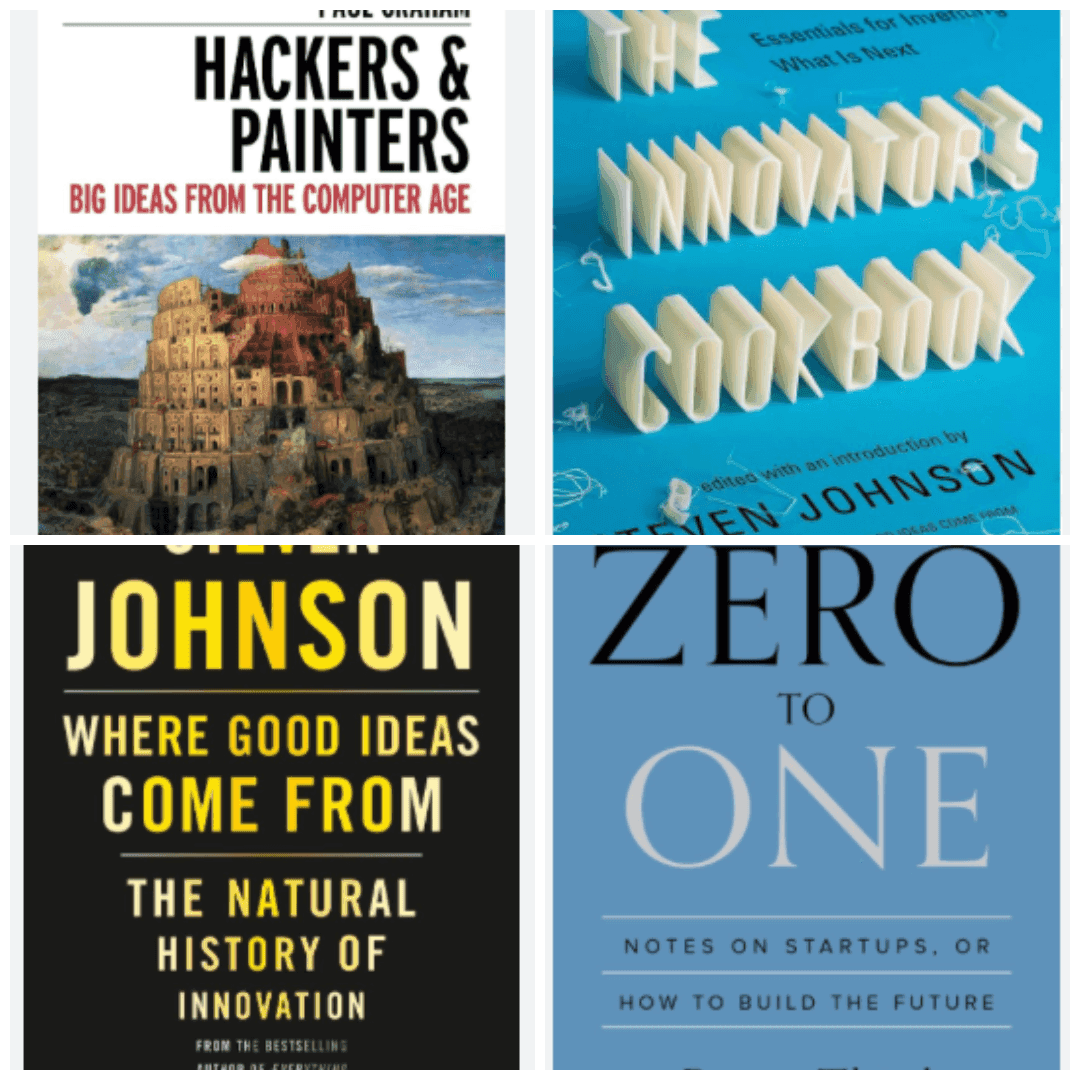
There is no shortage of books and essays offering blueprints on how to launch a startup or build a company. I myself have read some of them (such as Paul Graham's Hackers and Painters), and have heard about some of the most popular ones (for example, "Zero to One" by Peter Thiel). Obviously, as a programmer I was more gravitated toward the essays written by programmers. I had always thought that a great innovation or a scientific/technical breakthrough would be a good reason to start a startup and with that in mind I read Steven Johnson's work on innovation and ideation processes. Some people focus on a business idea they believe has the greatest potential for profit and for them, success is defined by making the most money.
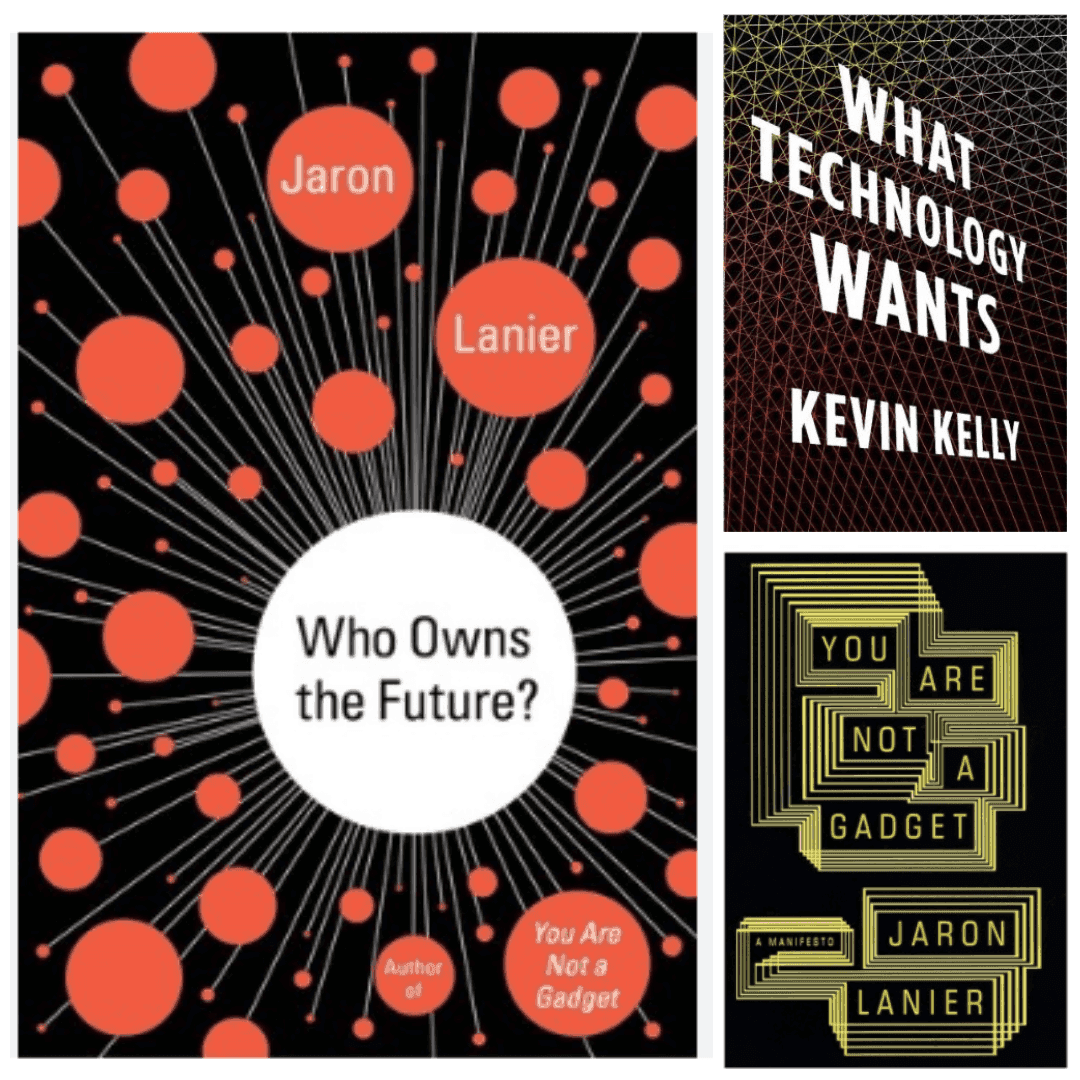
All of that might be true to some extent, but the real "why and how" did not set right with me specially the way technology and economy are moving at full speed. With that concern in mind, I read Kevin Kelly's "What technology wants?" or Jared Lanier's works like "you are not a gadget" or his more sobering work: "Who owns the future?". And now with the advent of AI, it became even more concerning and harder to start a startup without convincing yourself about the "why and how".
That changed when I came across a talk by pianist Tara Kamangar, where she introduced new ideas that inspired me to think about new ways of looking at this problem. The video was so motivating and her argument so simple that it felt like a breath of fresh air - not just for learning piano, but for anything that we really do: including how to build a startup or, more broadly, how we should live our lives. So here is my adapted version of the method that she explains in this video for building a startup.
How should we build a start up?
By a warm heart and cold reasoning
Axiomatic Principles:
It does not matter if you follow “Zero to One” approach for your startup if you do not follow “Love minus Zero” - i.e. No compromises on Kindness and Love.
The end does not justify the means if the means to the end is in contradiction to the end.
We will adhere to the universal principle of no harm at all times.
We are not greedy and choose Love over Gold.
We share our values and principles but we do not share our technology if we determine it can be used in any way that could violate our principles. (e.g we are closed-source by default and open-source if we determine it is absolutely harmless)
Constructed Methodology:
With a warm heartdefine a goal for the start up that is grounded in Love and Kindness toward yourself, others and nature.With cold reasoningyou have to develop steps to achieve and maintain your goal, and do not deviate from Love and Kindness toward yourself, others and nature.With cold reasoningyou have to monitor yourself and your goals to make sure you do not drift from your principles and set goals.With cold reasoningyou have to detect any principle drift, and if you do, you have to shut it down no matter how much money you lose - love over gold principle.With cold reasoningyou have to develop a win-win cooperative state business model for yourself and your customers and no detrimental side-effects on others and nature .With cold reasoningcalculate the causality of your actions as much as possible.With a warm heart, learn from nature and be inspired by nature. A truly sustainable business is a sustainable solution for nature. The key emphasis here is on cold reasoning, because not all processes in nature are suitable for us, for example a trillion-sized colony of ants might work for ants but not for us. And vice versa, a 0.1 degree increase in temperature could be handled by us but not by pollinating bees.With cold reasoningdevelop the following personal traits and work habits for yourself and anyone joining the company:Relaxation (TBD)
Concentration (TBD)
Repetition (TBD)
Conservation (TBD)
Creativity (TBD)
ChurnShift Plan
Constructed Principles:
Warm hearth:We want to help people to keep their customers so they can have bread and butter on their tables and by doing so we will also have bread and butter (win-win)Warm heart:We want to help the people who are losing their bread and butter - we want to help the disappearing middle class workers and SMBs that are being replaced by AI. If we grow the middle class we will shrink the low income class, because it's mainly the middle class that ends up paying taxes. (we win only if society as a whole wins)Warm heart:use Big Tech to offset against Big Tech’s effect on the middle class and nature. The end justifies the means here because we believe the way Big Tech is expanding, we will end up having a hallowed-out middle class and ruined environment. This will save the current companies and our approach is a complimentary approach and beneficial to BigTech itself, because, as argued correctly by Jared Lanier, Big tech will fail if middle class fails.Warm heart:People and businesses own their data. We will not get rich off of other people’s data.Warm heart:We want to innovate to consume the least amount of energy possible (we have to resolve the conflict of Jevons Paradox - closed source principle will solve that to some extent, for example we will not share any cost effective method to a company whose products will encourage more usage than less usage).Warm heart:We calculate our carbon foot-print and set aside enough of our profit to plant trees for the equivalent amount of carbon footprint that we produce.Warm heart:ClimateShift.ai, will be the by-product of ChurnShift.ai to find solutions to offset and fix any non-sustainable part of the business by innovating and offering solutions for other sectors.Warm heart:we are global in our sustainable plans but only care about the locals of where we operate. If we franchise to other locations, they will do the same and must care about their own locals and environment. We do not profit from other locations. Their profit will remain in their community but their non-sustainable practices are global so we need to make sure they do not drift and they need to make sure we do not drift.Warm heart:We will not get big, as soon as we get big we have to split (inspired by nature) -> we need to be checked by a 3rd party if we get too big. This needs to be an automatic legal process and cannot be controlled or stopped by any board.Warm heart:We cap our take away profit. Surplus needs to be devoted to ClimateShift.ai ( Principle of self protection by not being greedy)Warm heart:We will not get investment money from sources that we did not validate and contradictory to above principles. And the ones that we check need to agree that at no point we agree to anything that violates above principles. This needs to be legally binding.
Constructed Methodology:
Innovation needed: TBD
Technology needed (update: identified and deployed a reference architecture: Sustainability - The principal principle of any reference architecture )
Strategy needed: TBD
Warm heart: Contribute to a Nature-Positive Economy
Obviously, this is not a method that is practiced, or most popular and maybe not openly endorsed - even if - there are founders who believe in it wholeheartedly or like some parts of it. These days most startups fail, and the ones who make it have such huge valuations in a winner takes all scenarios that they would add exponentially to the disparity. And I believe almost all founders - the ones who make it and the ones who won't - have innocent and good intentions in mind, but somehow along the way things turn out in a way that what they create has a net-negative effect on society and/or environment. So these are just some ideas to think about them in advance, and I think if we set our goals with a warm heart and work toward those goals with cold reasoning (like axiomatic logic) we might be able to be part of a future Nature-Positive economy and avoid any unintended negative effects on society and environment.