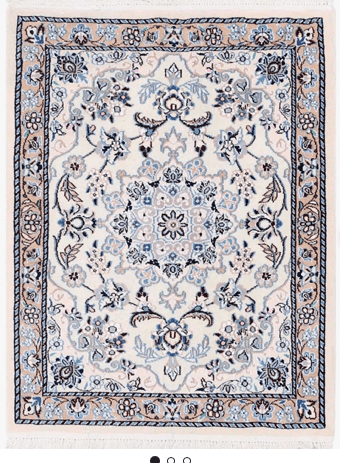
Different kinds of post-revolution Iranian weavers
Prologue
It has been more than three months since the latest US-Israeli-Iran war broke out. And definitely the most significant news of this war - to most Iranians - was the news of Islamic Republic’s supreme leader death. The news evoked a wide range of emotions to many people: to some joy, to some contained hidden joy, to some shock, to some sadness and rage and to most fear and hope for what’s ahead and awaited for Iran. I watched the official news reel on BBC Persian snippet from Islamic Republic’s TV reporter who shared the news in tears and the announcement translates to this: “after a lifetime of Mujahedat, … the supreme leader reached the highest honor of martyrdom”.
Now the key Arabic word here is the word, “Mujahed” which is coming from the word “Jihad” and the verb “Jahd”, and really in Arabic means to make an effort for something or a cause - but in most news context it means warriors and war. But just like in US where everything is war and solved by war, like war on cancer, drugs, poverty, etc… in Arabic this word has many meanings and could be directed toward different causes. However, to the western audience this word probably has one set of associated concepts. Nevertheless, in most contexts and in almost all different Islamic countries, ethnic groups, religious factions, state and non-state actors, Sunni and Shia ( sometimes spelled Shiite in some paid western media), all of them call their fighters “Mujahed”. And all of them are fighting each other and everyone else. Now as George Carlin once made a joke about this, everyone call their own fighters freedom/resistance fighters and their opposition group fighters terrorists and vice versa. All of them think they are the righteous ones, their ideology or interpretation of scripture, history and ideology is the right one. Adding to this mix, we have extreme Zionists backed by apocalyptic crusader Christian fundamentalists who also believe their version and interpretation of their own various scriptures in different languages throughout the history is the right one. And now adding to that I see Chat-GPT generated sermons by possibly pastor and clergy bots on social media.
However, If you manage to read to the end of this personal blog, I hope that I can make the case that we only need to make an extreme effort for love and peace against all the odds.
Iran after the 1979 revolution
Now back to Iran where the Shia majority country ( among other religious minorities such as Zoroastrians, Christians, Jewish, Sunni and Bahais) is now called Islamic Republic of Iran since 1979. I want to introduce different kinds of post-revolution Iranians through my personal story and weave you a memoir based on true stories and characters in the chronological order since then.
Me.. Us and Them
I was born in August 1980, only one year after the revolution and in the midst of internal turmoil and power dynamics between different revolutionary factions. The different factions who participated in the revolution were mostly communists, democratic nationalists, and Islamists of different kinds among indifferent silent majority who really joined in a natural social assimilation process.
In the September of 1980, however, Saddam Hussein, the president of Iraq attacked Iran. Iraq-Iran war was the longest conventional war in the recent human history which lasted 8 years. My first 8 years of childhood was consumed by this war. As Iranian millennials, our collective memories in major central cities, like Isfahan, include food rations, coupons, electricity blackouts, tapes on windows to prevent glass shattering and running to basements during the bombardment and missiles after hearing the sound of sirens. And at schools, we had drills on how to get to the bomb shelters and classroom demonstrations of how to use gas masks toward the end of the war when Saddam started using chemical attacks. As kids we have the collective memories of how we had only one hour of cartoons on TV but with interruptions in the middle with military announcements of victories on the frontline and how captured border cities are taken back and how we should save our money and clothes to send to the frontlines.
For most of us, in Iran at the time, this was the classic “Us and Them”, a realization that started to shape and form later on in my late teens. It was also the classic “keep calm and carry on” messaging like in the London of 1940s. Now “keep calm and carry on” signs on coffee shops walls and mugs mean nothing like our semantic interpretations. People did not had the luxury to think or even decide - the rally around the flag effect that is known to any political scientists and sociologist was in effect. To that effect, later on the founder of revolution and previous supreme leader called the war a “gift” because in the fog of war, they could rally everyone and crush any political opposition.
The Shaalbafs: those who weave scarf
The most defining moment for me personally was when a missile hit the house right in front of my grandma’s house in an alley. All the houses around the impact were seriously damaged or destroyed but the family who lived at the center of impact were the “Shaal Baf”s which means as a family they were in the business of weaving shaal or scarf. “Baf”, is the suffix verb for weaving and knitting from the Persian root verb of “Baftan”. They had three sons I believe and I vaguely remember playing soccer with one of them. They all died and only a big hole was left in place of their house. I vividly remember that night because we were in the basement and heard and felt the shock followed by an electric blackout. My mom in worrisome voice said "this was too close". My grandma’s house was two neighborhoods away from us. My parents left us in the basement with a couple of candles until the morning when they came back and then we all went there together to help. Apparently the missile was meant to hit another neighborhood and the house of an influential mullah but missed and hit the Shaalbafs.
The Makhmalbafs: those who weave velvets
The war ended and people started to reconstruct and making sense of things, different generations with different memories and experiences started to shape their opinions. Imagine this is 1988, and still no internet or free access to information or misinformation. You had to make sense of it all with your thinking using personal and family experiences - and of course based on your age. By the time I was a late teen, there was a bit of cultural opening and easing of restrictions such as printing books that previously did not had the permission to print. Some started to slowly show dissent in the press or deviate from official lines of thought across different classes of society and even within the main core of Islamic revolutionaries and from that process the post-war reformists emerged. During this period, some people opened up or gradually changed, even those who were coming from religious backgrounds or those who wanted to go become clergies.
Makhmalbaf was one of them. On the path to become a clergy, he stopped wearing clergy outfits, and became a writer and a film director instead. Again Makhmalbaf, as you guessed is another family business name, which means those who weave velvet. Makhmal: velvet and Baf: weaver. His movies essentially were about class differences and social problems which to some extent was the very reason revolutions happen in the first place (in case of Iran setting aside oil, geopolitics and Cold War as external factors). His struggle to be accepted by the intellectual elites and higher classes of society is a testament to his artistic existence. He was from a different generation, born in 1957, and pretty much part of the revolution - unlike my generation who were born after the revolution and had nothing to do with it. However, after a brief opening in the prints and his metamorphosis, I remember reading one of his scripts called: bread and wine. He was controversial in a sense that he was not from the elite classes of society, and consequently he was not accepted as someone who can be an intellectual - maybe that Iranian elitism by educated intellectuals and the idea of selected few led to the revolution. Maybe he tried to be recognized as a proper artist among the elite Iranian artists, or revolted against them, but for sure he could not be ignored by them to a point where an elite and internationally-acclaimed film director: Abbas Kiarostami made a movie about a true story of a man who impersonated Makhmalbaf, and Makhmalbaf and his impersonator himself acted in a Kiarostami movie. This was literally a Close Up of the class tensions between various generations and classes in the post revolution Iran.
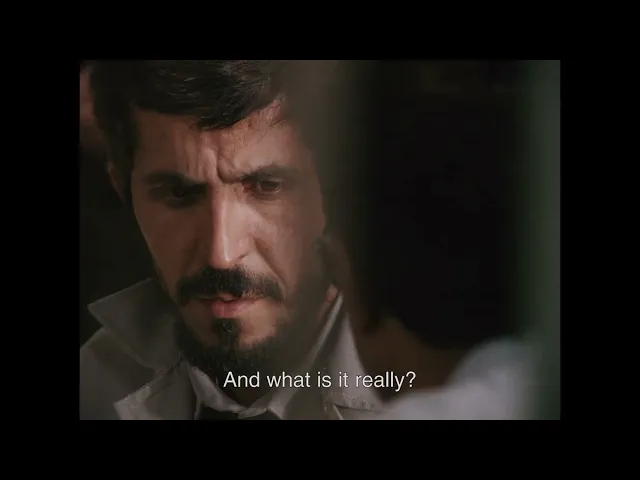
Kiarostmai himself describes the situation and tension of post-war period in the most eloquent way in this interview.
I rarely used to go to cinema in those years, but I do remember going to a huge lineup for one of Makhmalbaf movies called "Hello Cinema", by which really he wanted to show what the new generation - those who are born into the revolution - want. Maybe he also wanted to show that art needs to be accessible to all as a form of expression. But more importantly it was a practice for free speech.
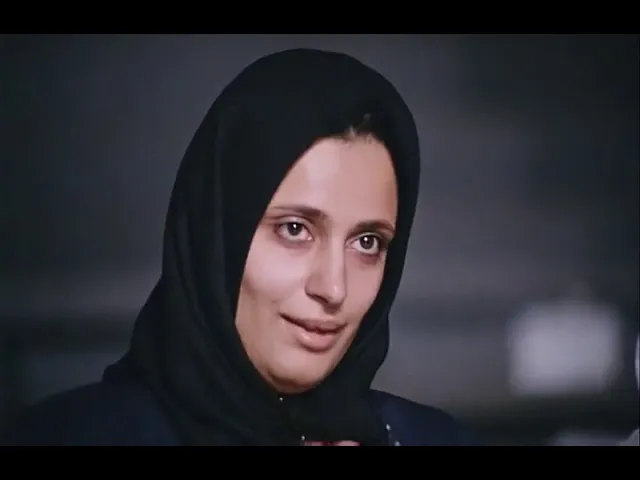
Makhmalbaf, represents a generation that participated in the revolution, but maybe their ideals and beliefs shifted through art or it was what that they wanted in the first place but never got the chance to implement it due many internal and external factors.
Now his daughter Samira Makhmalbaf, who has the same age as me is now an internationally-renowned film director and one of the first female post-revolution film directors from Iran whose Hijab slowly started to loosen up on the spotlight in the Cannes festivals where she won a couple of awards.
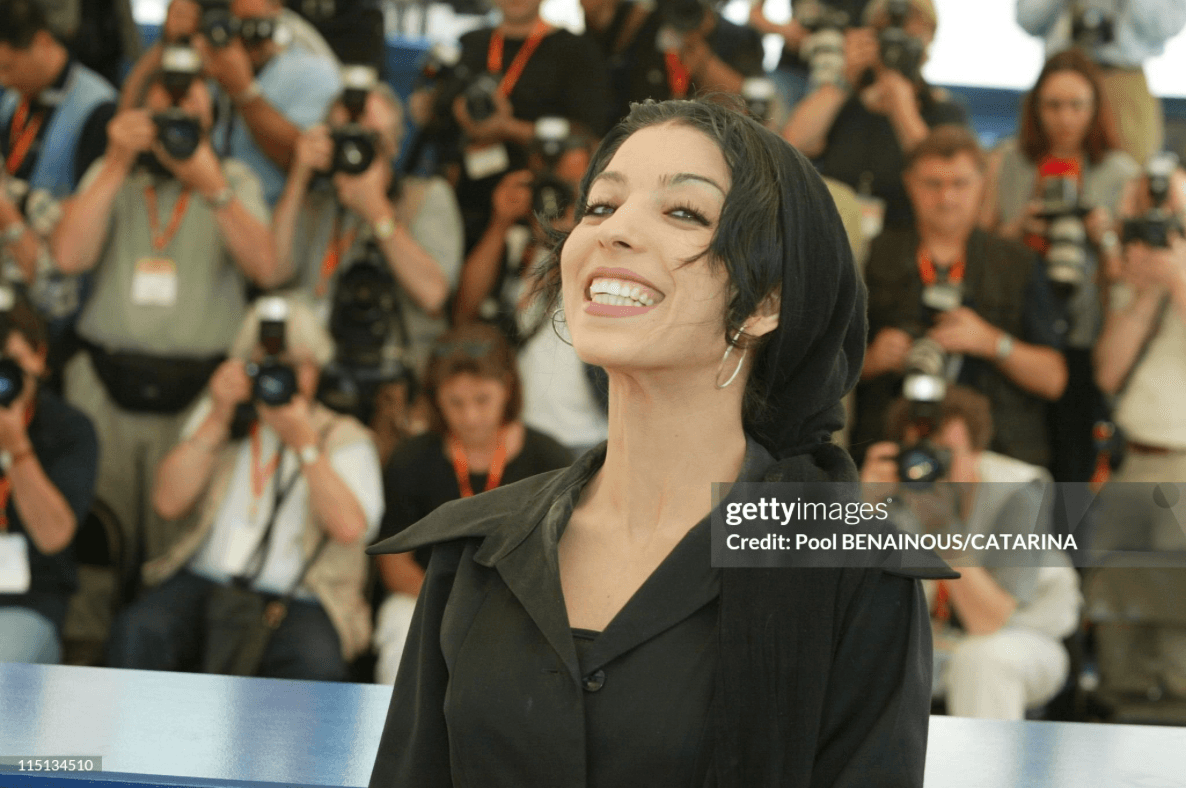
So the #WomenLifeFreedom movement believe it or not was a gradual shift started organically in this period.
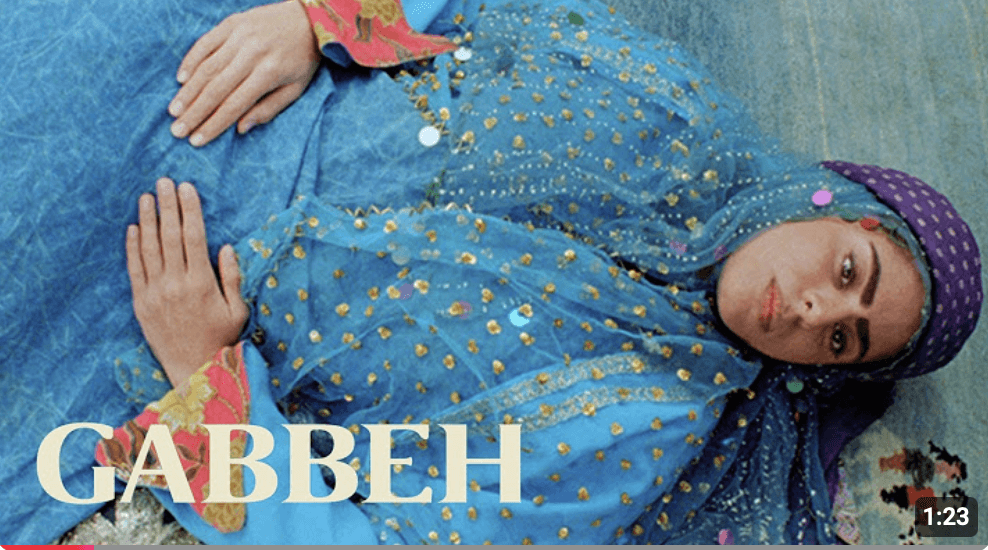
And eventually, maybe Makhmalbaaf himself realzied that his best film needs to be a poetic Iranian love story woven into a Gabbeh ( a nomadic persian carpet ) with great poetic sceneries ( like the zig-zag mountainous roads of Kiarostami trilogy). A love story as old as the land itself despite the burning oil rigs in the background.
The Sherbafs: those who weave poetry
During a brief failed reformist period where the disillusioned revolutionaries like Makhmalbaf started writing about bread and wine, the frustrated millennials who were born in the war, were hungry for anything that could help them voice their dissent and rebel against war. There is only one genre of music that can totally capture that: Rock and the only place that it felt the best was the place where it was banned officially: Iran.
So my generation is the generation of underground Rock music.
For me the most important book I read during the failed reform era was "Pink Floyd Songs", by M. Azad
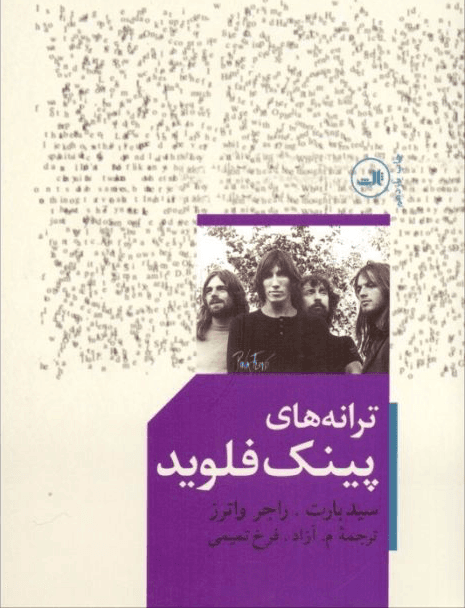
and it was so refreshing to read and listen to Us and Them confirming what we started to put together yet somebody else across the world was singing it
Us and them
And after all we're only ordinary men
Me and you
God only knows
It's not what we would choose to do
This book was followed by various books on the concept of the Wall album. After all, we were all behind a wall of information, and of course our own personal and societal walls which was made brick by brick.
We used to gather and exchange copies of Rock albums, and of course for all of us Pink Floyd and the Wall had a special place because we felt Roger Waters lyrics. And similar to Roger Waters' generation we spent our childhood more or less in an at-war and post-war society like England during and after WWII. We still identify with Roger Waters because when he was a kid he grew up in a post war society, and he never saw his dad that he lost in WWII - like many many Iranian kids who lost their dads in war. In fact right now these lyrics makes sense to a lot of kids in Middle East, from bomb shelters in Israel to camps in Gaza, Lebanon Syria etc… with different degrees of anxieties and safety of course. Consider this:
MOTHER
Mother do you think they'll drop the bomb?
Mother do you think they'll like this song?
Mother do you think they'll try to break my balls?
Mother should I build the wall?
Mother should I run for president?
Mother should I trust the government?
Mother will they put me in the firing line?
Mother is it just a waste of time?
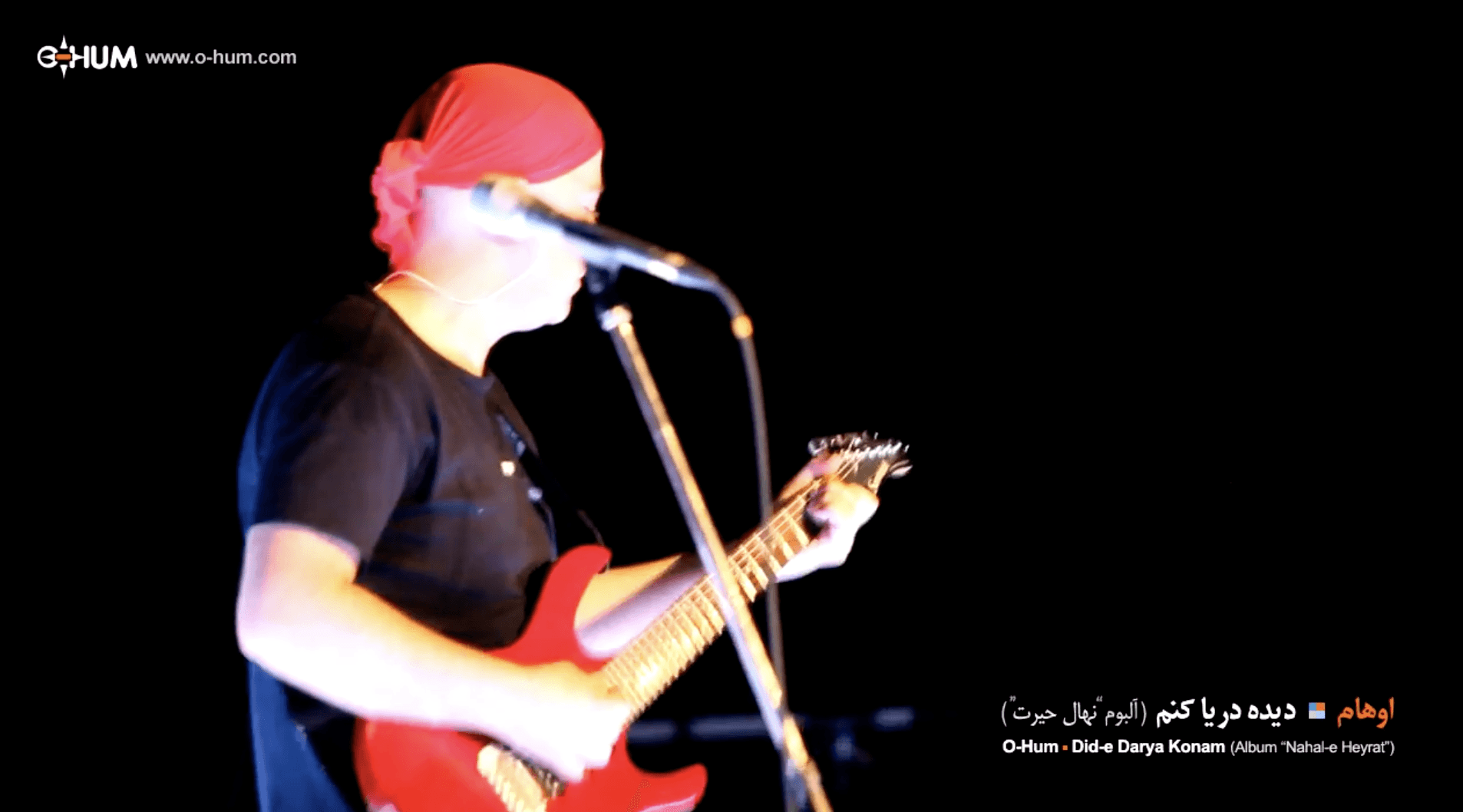
And the first underground rock band of our generation was O-Hum, which means illusions in Farsi, and was formed by Shahram Sharbaf in 1998, … “Sher” in Farsi means poetry and again Baf… means weaving, i.e. someone who weaves poetry. You might see a different spelling in the name but the very idea of Hafez and Persian Poetry is the inherit ambiguity in the poetry and the choice the poet gives you to choose the meaning. The same way any interpretation is how you choose to read it. And moreover, this choice or "Ekhtiar" pushes back on the "Algebra" of what might the society has in the store for you. So what do you want to choose? Hafez chooses Love and invites you to choose love and make an effort for Love.
Of course poetry is the hardest craft in Iran, because arguably Iran has some of the best poets in the world. How a young kid could dare to write good poems and sing it in Iran in the banned genre of Rock? .. so O-Hum did the most genius thing. They sang Hafez poetries - Iran’s most beloved poems - in Rock. Because we needed to amplify it.
Hafez represents all the struggles of Iranians since the conquest of Islam 1400 years ago. Hafez, has absorbed and referenced all the good things of Islam, Judaism, Christianity and Zoroastrians and came up with a new interpretation that is grounded in Love with lessons from Iranian mythology and values: inclusion, tolerance and love.
O-Hum started as an underground band and their love rebellion tradition which started by Hafez himself in the 8th century, paved the way for all future bands. O-Hum made it possible for other bands to shout love.
This is one of my favorite and optimistic poems of Hafez, where he uses the verb "Jahd" correctly and for the right purpose: Love. He says
why should I postpone the joy of today to tomorrow ?
The heart warming elixir is where the lover is
So I will make an extra effort (Jahd) to be there with my lover
Hafez believes everywhere is the house of love, whether it is a mosque or a synagogue or a tavern specially if you are carrying the locket. His distaste for fake religious and pretentious piety and hypocrisy of mullahs and sheikhs of his time was exactly how our generation felt and needed to be sang in Rock, because our generation wants love as opposed to war, and we want to shout love (even if we sing it in diaspora) , and we want free love movements. And that is precisely why we did identify with 70s hippies and not 90s music or now swifties.
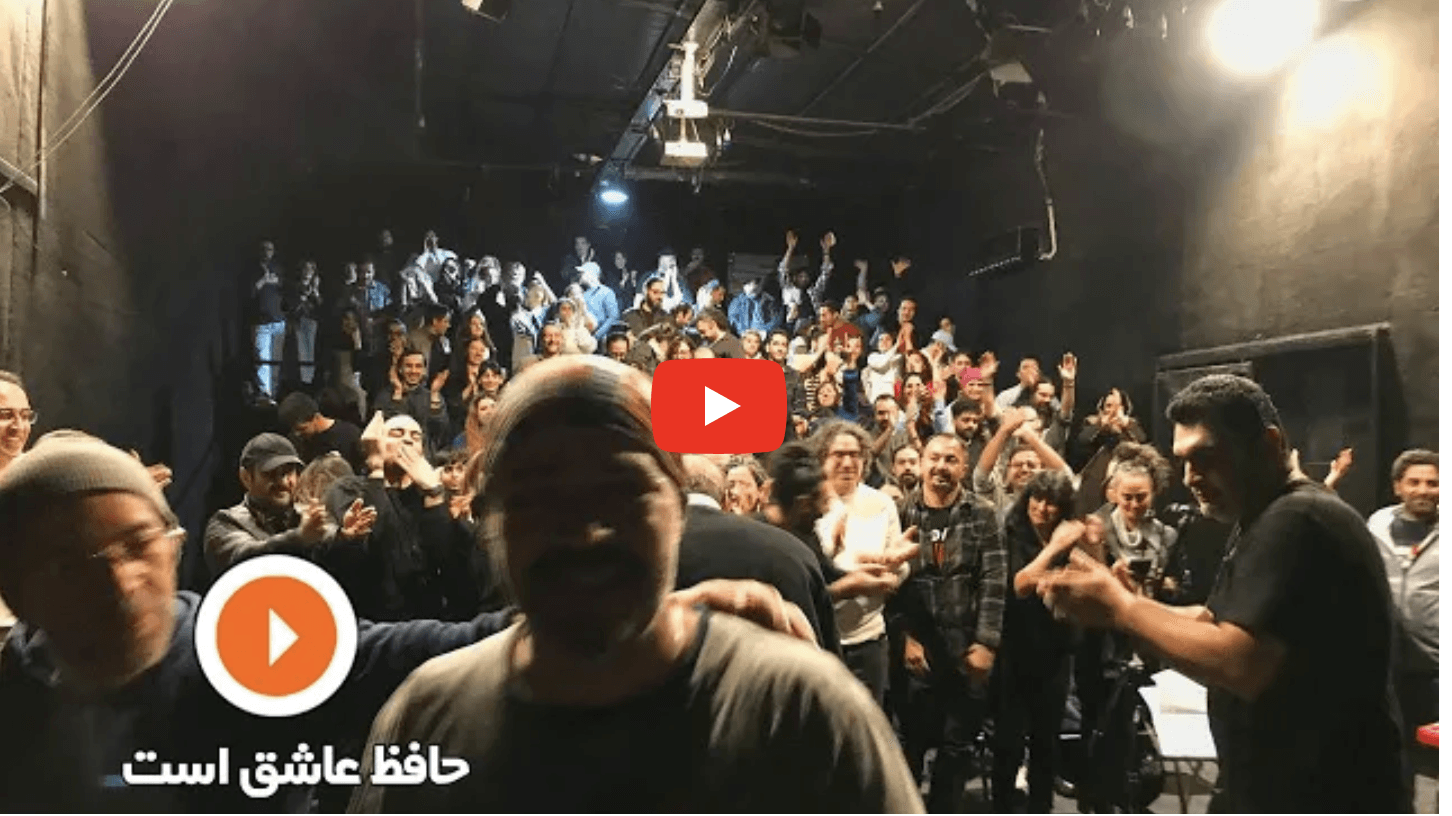
And O-Hum is still at it, I love this recent performance specially seeing how they aged and it seems Shahram is a dad just like me, and I am sure he is the No. 1 Dad.
This particular poem teaches us that love requires more than usual effort because love hurts and yet love is the only remedy.
دردم از یار است و درمان نیز هم
The Ghalibafs: those who weave Persian carpets
Another weaving family business name: the Persian carpet or Ghali and again - Baf - so carpet weavers who were part of the main historical and ancient Iranian export business: Persian Carpets. But these days, this name must ring a bell to those who follow Iran’s negotiations since Ghalibaf is the chief negotiator. The contemporary historical events forced him to be a soldier and today he is the survived parliamentary speaker and peace chief negotiator.
He went to Iran-Iraq frontline war when he was 19, and 8 years of war shaped this man and his band of brothers differently. War has hardened them in the trenches and foxholes, obviously he is different from Makhmalbafs and SherBafs, and probably he has the support of some of the Shaalbafs. So I guess they are tough to negotiate with yet maybe only people like him understand the true horrors of war. The fate of the nation and probably region and beyond is still in the hands of hardliners (in all these countries ).
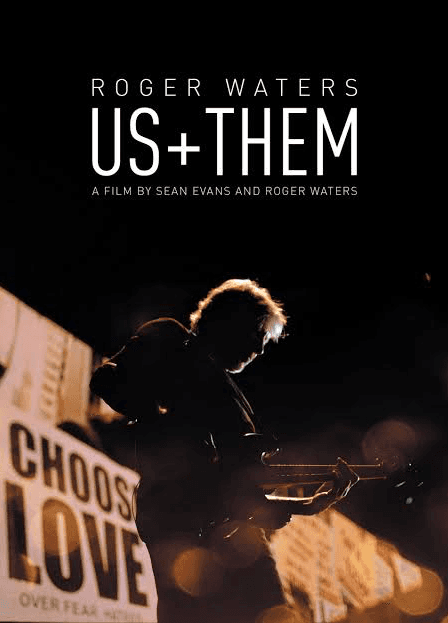
Us+Them
But what about us? And what about the demands of the new generations? The Iranians inside Iran and outside of Iran who almost unanimously as the silent majority were hoping that - maybe naively - if hardliners in Iran step down from power, zealots and hardliners in Israel lose their argument and all of these tragedies come to an end. From my own personal perspective, I have had this anxiety for a long time, and now that the eventual war did broke out, somehow my wishful thinking is still in tact and I have fingers crossed for peace hoping that somehow love finds its way and the classic Us vs Them scenario in all these societies turns into Us + Them.
Peace weavers needed
I personally have lived the first half of my life on one side of the wall as a fan of Sherbafs and poets and the other half on the other side of the wall. I feel out of place among some of the Iranian diaspora who escaped early political persecution of Islamic Republic and have their own stories of hardships and tragedies and now somehow organizing for a possible “regime change”, but I am not sure if that works if we all cannot see things from the perspective of others. As an immigrant, I thought I am escaping an Orwellian-big-brother-society where the picture of the leader keep watching you, with the hope to find myself among like-minded hippies-at-heart but instead with AI and new media I am disappointed to find myself helpless in an amused-to-death-brave-new-kind-of-world where tech bros and AI have created echo chambers and invisible information and misinformation walls that makes love and peace harder and harder.
Can people lay down the hard lines and find a way to make peace?
For example, can David Gillmour and Roger Waters see things from each others’ point of view again and make peace? I admire and respect both of them immensely. I was listening to a new Romany Gilmour’s song (David Gilmour’s daughter) the other day. It is called between two points, a great song and lyrics that I think we all have identified with at some points or many points in our lives, specially the part when she sings:
Just let them walk all over you
Laugh through the punches and the pain
Let the life-blood drain away from you
They’re right, you’re wrongAnd you can see it in the way they look at you
Feel it in the way they treat you
Always the last to know
Always the first to leave
And I have found myself in this situation a lot of times, but the other day I told myself
"oh dear Miss Gilmour we both know that you are right and they are wrong".
And Mr. Gilmour I am also confident that you know despite our personal conflicts and walls that we all have, we all know deep in our hearts what is right and what is wrong when we see things from the perspective of love and kindness. And the same way we are saddened by the tragedies of Ukrainians and I am thinking about all those kids who like me one day feel the lyrics of Mother that Roger Waters wrote, we must not turn away from the sufferings of kids in Gaza, Lebanon, and Israel and elsewhere. And I know name calling and war of words is not constructive but here is a linguistics and cultural lesson for most western audiences: Palestinians and Arabs in general are semitic people, so Roger cannot be possibly called Anti-semitic in social media or "In the Flesh" if he advocates for one side or another the same way you advocate - and rightly so - for the plight of Ukrainians stuck in war. Because I know you wrote and sang this song from your heart:
"On The Turning Away"
On the turning away
From the pale and downtrodden
And the words they say
Which we won't understand
"Don't accept that what's happening
Is just a case of others' suffering
Or you'll find that you're joining in
The turning away"
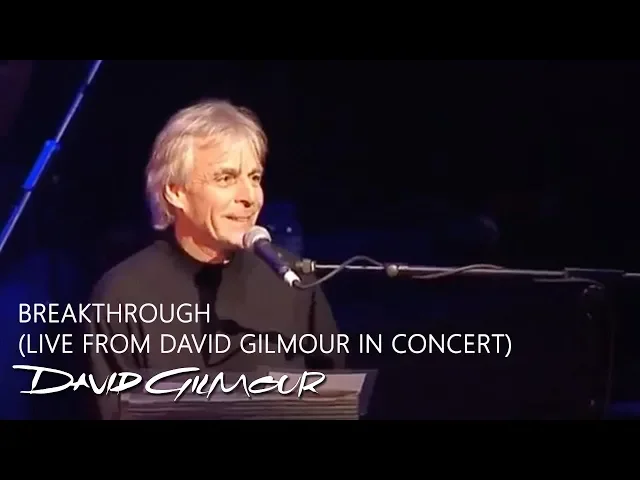
We cannot ignore others' sufferings because we all know what is the right thing and what is the right path in our heart, we always do, it is just that it is too hard to overcome and breakthrough. Richard Wright is right - they never make it easy.
And this tweet is demonstrably an example of Richard Wright's correct and valid argument.
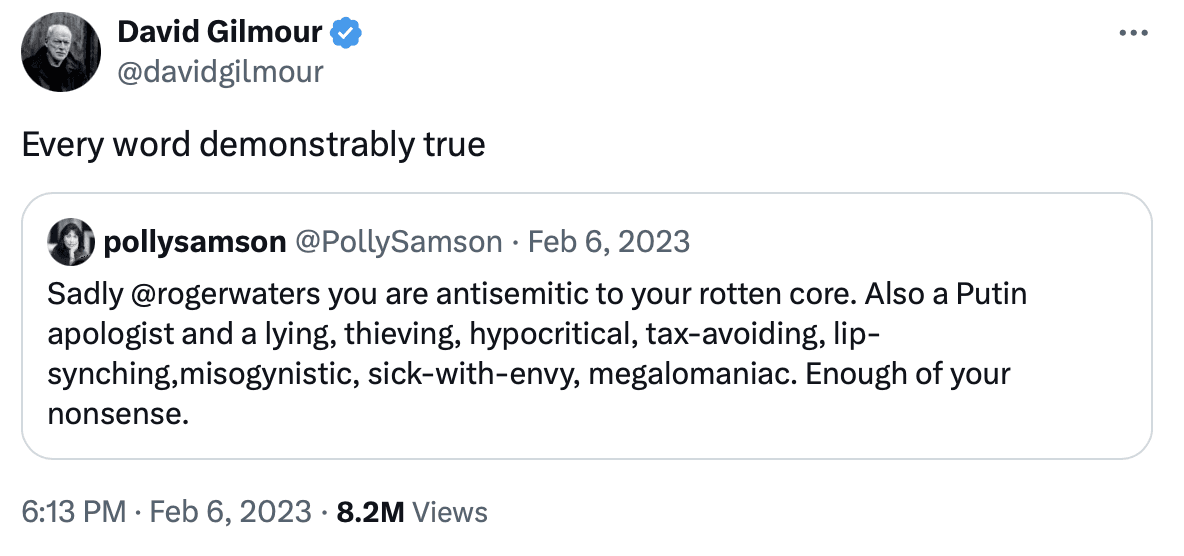
By hating more you're feeling more and that's how you get caught
They're never gonna make it easy
Of this you can be sure …… I dream to be at the heart of love, a part of love
The most heart-breaking part of this tweet by @pollysamson ( who is David Gilmour's wife) is that, Roger Waters lost his dad in WWII fighting Nazis and he has dedicated his life to fight fascism. So I hope Miss Romany Gilmour remains true to herself, and insists that "she is right and they are wrong", and does not become like her mom.
If our decisions and positions are based on love and kindness and if we think hard enough with cold reasoning and warm heart, love and peace will always find a way.
What awaits for Iran?
As for me, no more turning away from the sufferings of others, what we all believe and had believed all along but not vocalizing it. So all of this to say that I believe Iranian diaspora should voice their demands but we cannot ignore the suffering of others because if we fall into "the trap of the end justifies the means when the means to an end is in contradiction to whatever we value and hold dear", then what is the point of "regime change" when we have already failed at the basics of humanity for a better Iran and region. I hope whatever system or leadership awaits for Iran, they bring about a better, and more inclusive, tolerant and peaceful region for all.
Strangely enough, I as a person who was born after the revolution has more access to last Shah of Iran's interviews than the people who did the revolution. So I, like many Iranians at this point, have always admired late Great Reza Shah for showing great backbone and the last Shah of Iran for the following reasons:
A Fair Peace Builder: Shah had friendly relationships with Israel, which is much needed if one needs to build peace, but at the same time he was voicing his criticism and concerns for the region and all the displacement and tragedies that had started back then:
By bluntly calling out (back in 1974) the destructive role that the Israeli lobby in the US had on Israel itself. The damage is immeasurable at this point- despite their hypocritical fake support of Israel. It seems since then and up to now they only worry about their own stock portfolios and they have no regard for Israelis and obviously Palestinians, and humanity in general. And most probably since they are stuck in echo chambers they have no idea how harmful they have been.
Shah at the same time called out the hypocrisy of the Arab leaders who to this day in reality left Palestinians alone and used their plight and the predictable crisis to come as an opportunity for filling their pockets with oil money. Unfortunately cool heads did not prevail in any of these societies.
An Environmentalist: We also need a leadership with environmental foresight similar to last Shah of Iran who back in 1977 went against the OPEC and oil lobby, and as an oil producer, he was advocating for finding other sources of energy, simply because he always spoke from his heart knowing that "they are wrong, and he was right" - we have lost so much precious time and endured so much environmental damage since then.
But let's hope at this point in history, if the crown prince of Iran, or anyone else who wants to build consensus - from inside of Iran or from the diaspora - they need to show the same backbone as the late Shah and unequivocally demand an end to these tragedies and cycles of violence and distance themselves from any of these destructive forces and side with reason and love. They already know what is right and what is wrong in their heart like everyone else but I know for someone in their position - they have not made it easy for them.
Love and Peace shall overcome.